





 Uncategorized
A Sacred Journey Enters the Digital Era
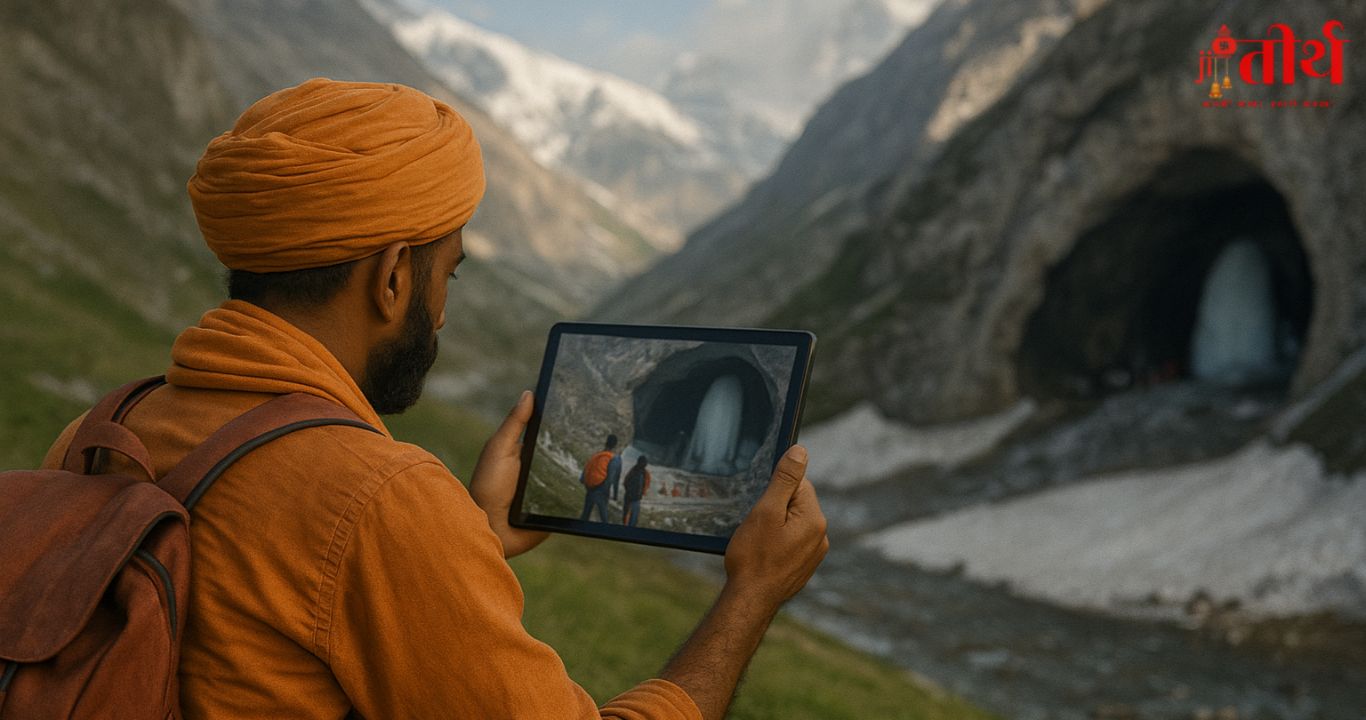
The Amarnath Yatra, one of the most revered pilgrimages for followers of Lord Shiva, has historically been a blend of devotion and endurance. Located in the remote heights of Jammu & Kashmir, the journey to the holy cave is physically demanding and logistically complex. But today, technology is changing everything.
With the rapid integration of digital solutions, the Amarnath Yatra has entered a new era—redefining how pilgrims register, travel, connect, and even pray. What was once a paper-heavy, offline experience has now transformed into a smart, tech-enabled spiritual expedition, offering speed, safety, and accessibility like never before.
This blog dives into how the Amarnath Yatra has gone digital, what benefits it brings, and how it’s setting a benchmark for tech-powered religious tourism.
How the Amarnath Yatra Has Gone Digital: A Breakdown
1. Online Registration and e-KYC
Pilgrims can now register seamlessly through the official Shrine Board portal or mobile app. The integration of e-KYC (electronic Know Your Customer) has replaced time-consuming offline verification methods. Registrants simply upload their ID, photo, and health certificate to complete the process within minutes.
- In 2024, 4.5 lakh pilgrims registered digitally within the first month—a 40% increase over previous years.
- This not only cuts travel planning time but also streamlines coordination across administrative departments.
2. RFID-Based Tracking for Real-Time Monitoring
Every registered pilgrim is issued an RFID (Radio Frequency Identification) card. This wearable tag enables the real-time tracking of every individual throughout the journey.
- If someone goes off-route or needs medical assistance, the system immediately flags it to the control centers.
- Authorities have reported a 60% reduction in response time during rescue or support efforts since RFID was introduced.
3. Mobile App Integration for Real-Time Support
The Amarnath Yatra mobile application is now an essential part of the pilgrimage. It offers:
- Live weather alerts
- Route status and closures
- Langar (free meal) locations
- Emergency SOS functions
- Notifications about the cave and aarti timings
This digital layer ensures that pilgrims can make informed decisions and stay safe throughout their spiritual journey.
4. Live Virtual Darshan and Remote Aarti
The Shri Amarnathji Shrine Board has introduced Live Darshan and Online Aarti services via YouTube and its official website. This initiative is particularly valuable for:
- Elderly or unfit devotees
- NRIs who cannot travel
- Devotees facing visa or weather-related constraints
In 2023, over 1.2 million daily users tuned in for the live feed—showing just how powerful digital access can be for religious experiences.
5. Digital Health Certification and Telemedicine
A compulsory health fitness certificate is required to undertake the yatra. This process is now digitized, with several hospitals uploading verified certificates directly to the Shrine Board’s system.
In addition, telemedicine consultations have been introduced. Pilgrims can now consult with certified doctors remotely to assess fitness before the journey.
- This ensures only fit pilgrims attempt the trek, reducing accidents and medical emergencies.
Why This Digital Shift Matters
1. Drastically Improved Safety
With high-altitude, unpredictable weather, and large crowds, safety is paramount. RFID tracking and real-time alerts make it easier to avoid or manage potential risks.
2. Greater Accessibility
From online registration to virtual darshan, digital tools have made the Amarnath Yatra accessible to everyone—from remote villages to global cities. Even people unable to travel physically can now feel spiritually connected.
3. Eco-Friendly Pilgrimage
The digital transition reduces paper usage, on-site printing, and excessive crowding. It’s a move toward greener spiritual tourism, aligning with India’s sustainable development goals.
4. Administrative Efficiency
With automated processes and real-time data, the Shrine Board can manage:
- Crowd density
- Resource distribution (tents, water, food)
- Emergency response units more efficiently
This data-driven management system ensures smooth operations even during peak days.
5. Higher Devotee Satisfaction
Pilgrims now receive timely updates, faster assistance, and better experiences overall. The entire process—from registration to darshan—is more transparent and organized, leading to increased trust and satisfaction.
A Transformational Story: From Maharashtra to the Mountains
In 2024, a 68-year-old couple from Pune completed their Amarnath Yatra without any physical paperwork. They registered via the app, consulted a doctor through telemedicine, and used RFID and real-time maps to complete the trek safely. Their children back home tracked them through the system—highlighting how digitalization brings peace of mind to families and independence to the elderly.
Stories like these showcase how technology is bridging generations, cities, and capabilities—making the pilgrimage not just sacred, but smart.
Faith Meets Innovation
The digital transformation of the Amarnath Yatra marks a major shift in India’s approach to religious tourism. It is no longer just about reaching the divine destination—it’s about experiencing the journey with clarity, security, and accessibility.
By embracing technology, the Amarnath Yatra has become a shining example of how ancient traditions can be elevated through modern tools. For pilgrims, this means safer travels, more inclusive access, and uninterrupted devotion. For the organizers, it means better planning, data-based decisions, and smoother crowd control.

