


 Uncategorized
Discovering Assam’s Hidden Shakti Gem
When we think of Shaktism in Assam, the Kamakhya Temple instantly dominates the conversation. This ancient site draws thousands of devotees, researchers, and curious tourists every year. But did you know that just beyond the shadow of Kamakhya lies another powerful Shakti Peetha with untold stories, mysticism, and spiritual energy? Welcome to Dirgheshwari Temple, the lesser-known but deeply revered seat of Goddess Durga in Assam.
For businesses in the spiritual tourism sector, religious tour operators, and culture bloggers, understanding the full landscape of Assam’s Shaktism is not just educational—it’s an opportunity to tap into an emerging interest segment beyond the mainstream. Let’s dive deep and uncover what makes Dirgheshwari Temple a must-know name in the world of Indian Shaktism.
The Spiritual Significance: Why Dirgheshwari Temple Matters Beyond Kamakhya
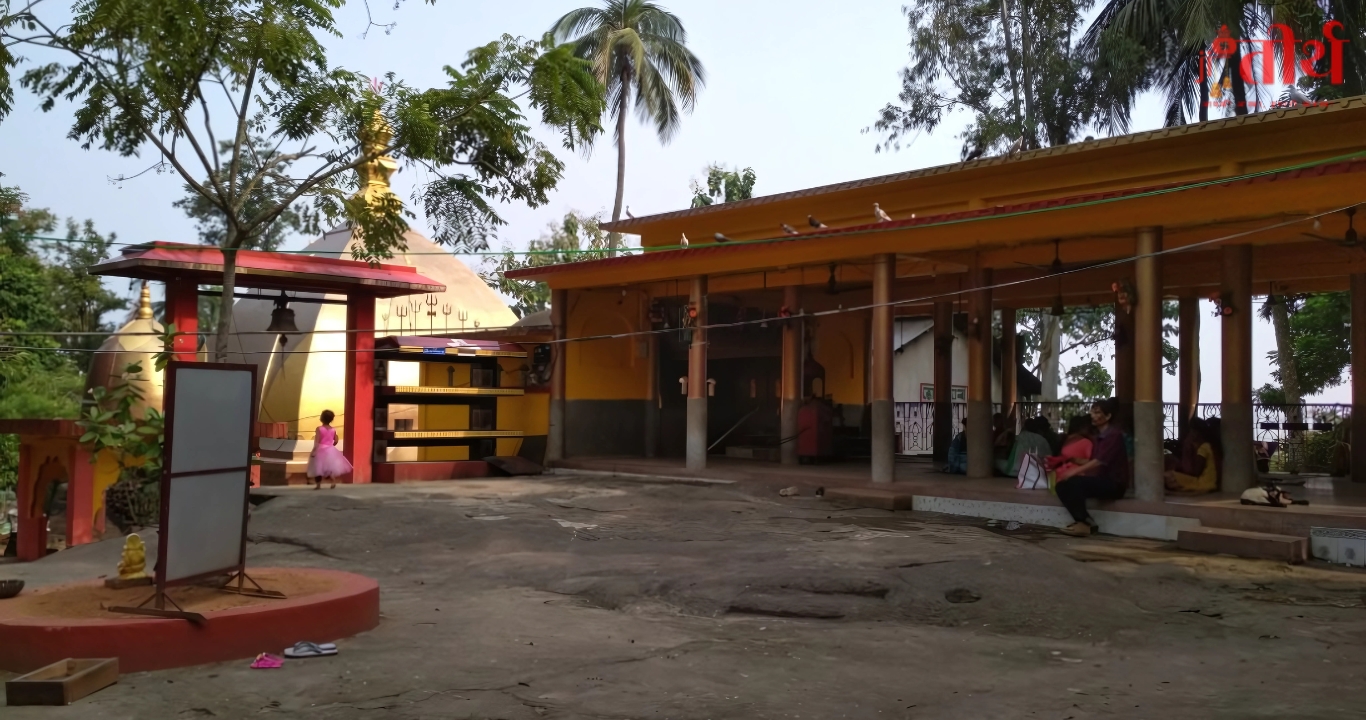
While Kamakhya Temple symbolizes tantric power and fertility worship, Dirgheshwari Temple stands as a beacon of maternal strength and protection. Located atop the Dirgheshwari Hill in Guwahati, this temple is one of the most powerful Shakti Peethas in Assam.
Historical Context
Legend traces Dirgheshwari Temple back to the times when Sati’s body was scattered across India, giving rise to 51 Shakti Peethas. Although Kamakhya is the headline temple for pilgrims, many believe that Dirgheshwari Temple holds the spiritual energy of the Goddess’s limbs, making it a site of immense spiritual significance.
Architectural Highlights
The temple’s structure is an architectural blend of Assamese traditional style and natural rock formations. Unlike the crowded temple complexes of popular shrines, Dirgheshwari offers a more intimate, raw, and unfiltered spiritual experience. The natural cave-like interiors, combined with centuries-old rock carvings and prayer spaces, add to the mystique.
Dirgheshwari Temple in Shaktism: Assam’s Silent Spiritual Revolution
The Role of Shaktism in Assam
Assam has been a stronghold of Shaktism for centuries, deeply influencing its social, cultural, and religious identity. The temple’s mythology connects deeply with local folk narratives and oral traditions, making it a living repository of Assam’s spiritual heritage.
Local Beliefs and Oral Traditions
Many Assamese households firmly believe that offering oil lamps (Deep Dan) at Dirgheshwari fulfills wishes related to health, family safety, and childbirth. The temple serves as a space where generations have sought divine intervention during personal and social crises. Folk songs and local ballads still sing praises of Goddess Dirgheshwari’s protective powers.
Festivals and Rituals
Dirgheshwari Temple comes alive during Durga Puja, Navratri, and Amavasya nights. Special offerings, continuous chanting, and community gatherings create an atmosphere filled with divine energy. The Navaratri period draws devotees from various northeastern states, making it a spiritual tourism hotspot.
Tourist Growth and Emerging Opportunities
According to the Assam Tourism Development Corporation (ATDC) 2024 reports, Dirgheshwari Temple has witnessed a 15% increase in annual visitors over the past three years, driven by:
- Interest in unexplored Shakti Peethas
- Demand for offbeat spiritual destinations
- Growing online content highlighting Assam’s hidden temples
This upward trend signals a strong growth potential for religious tour operators, content creators, and local businesses.
Target Audience Segments:
- Spiritual solo travelers
- Pilgrimage groups seeking authentic experiences
- Academic researchers in religious studies
- Wellness and spiritual retreat organizers
- Bloggers and YouTubers focused on hidden spiritual destinations


